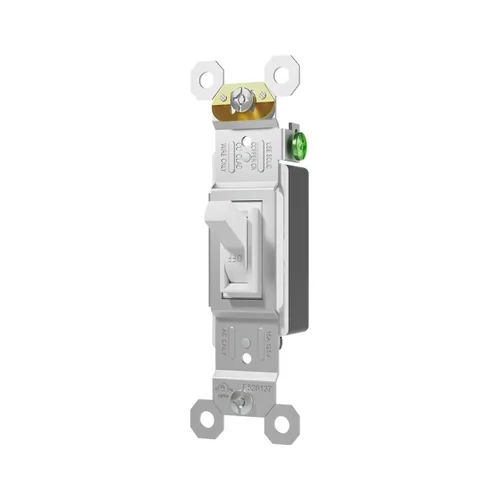
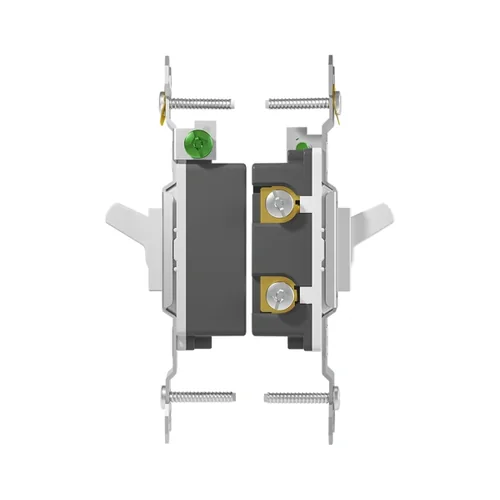
 Single pole
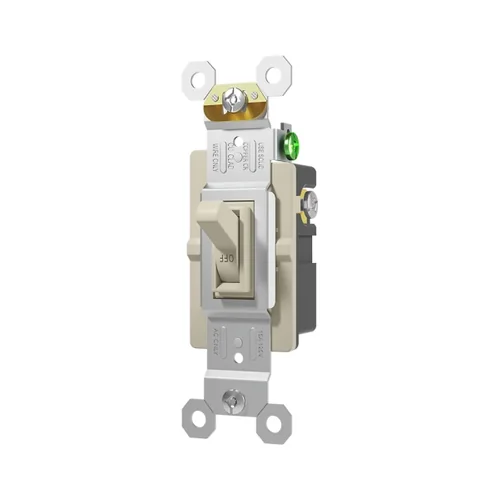
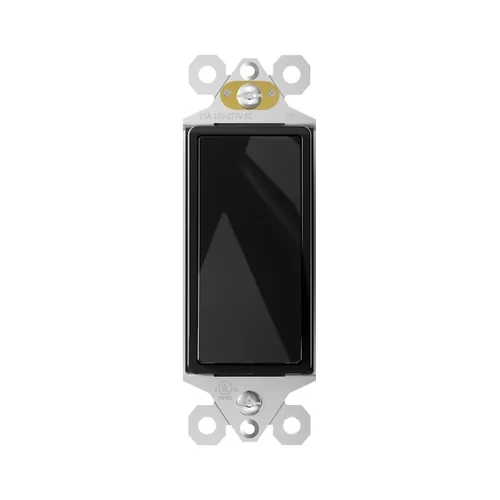
Eight mechanical switches on one UL 20 platform — toggle and rocker faces, single pole to 4-way, plus single-gang combination models.
Single pole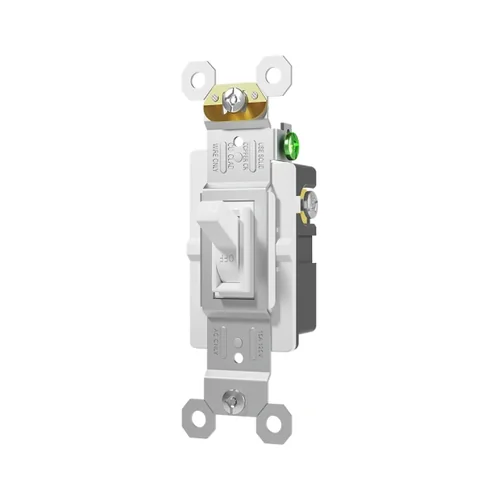
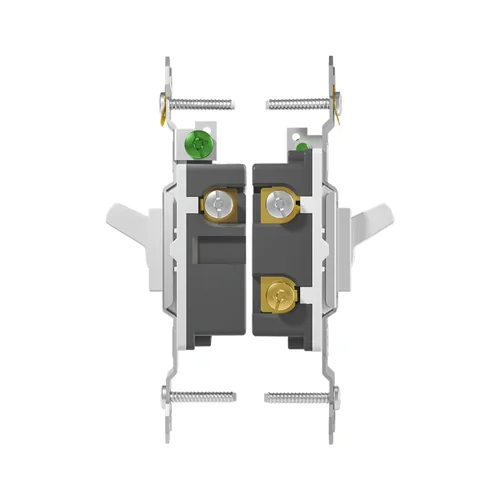 3-way
3-way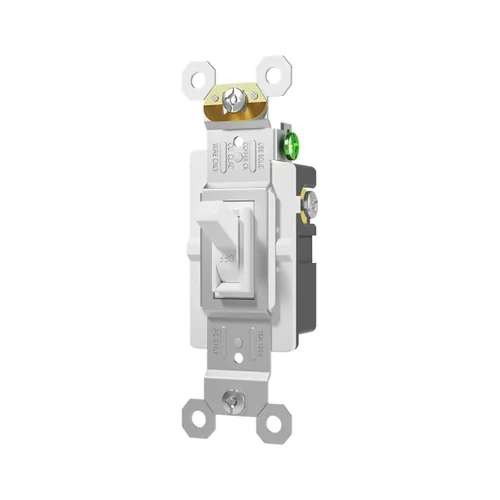
 4-way
4-way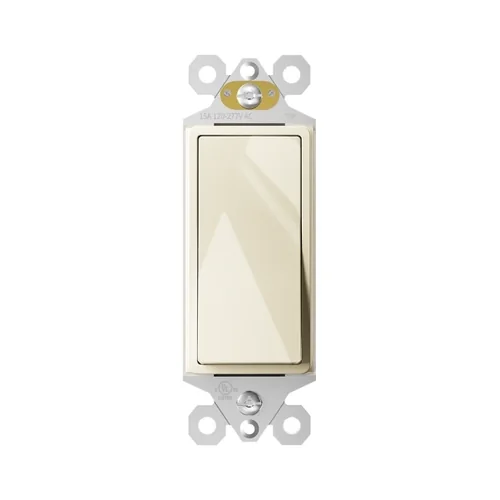
 Single pole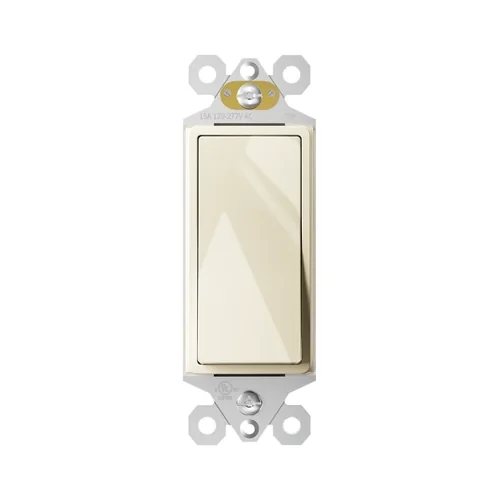
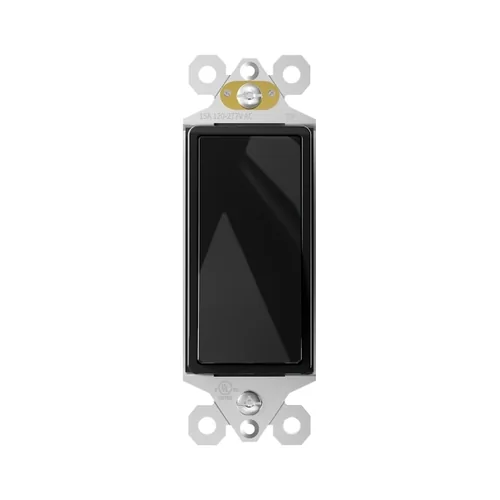 3-way
3-way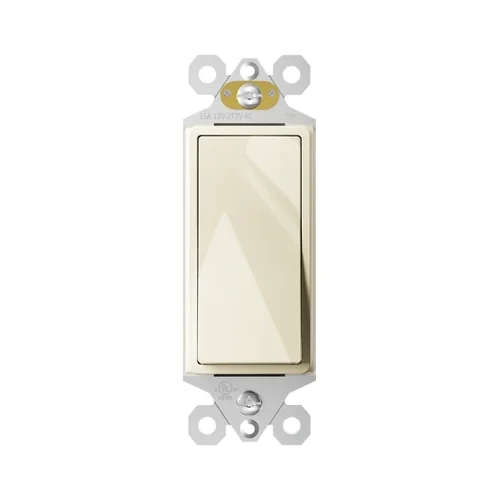
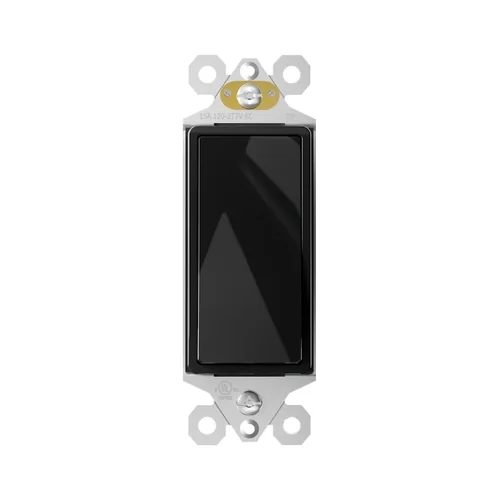 4-way
4-way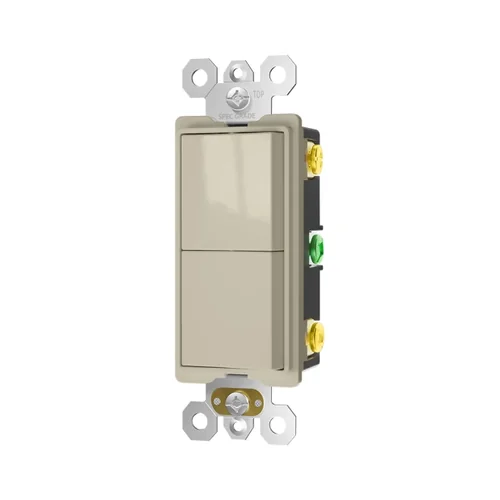
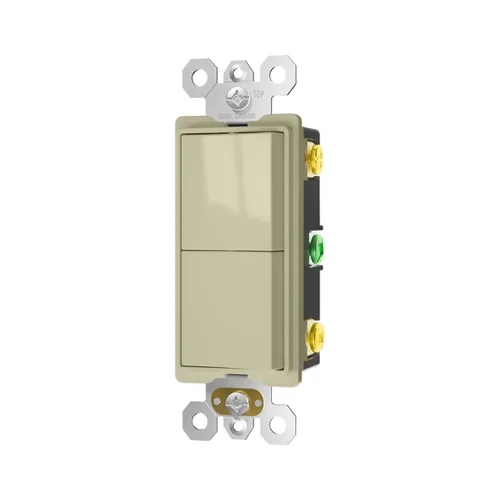 2-in-1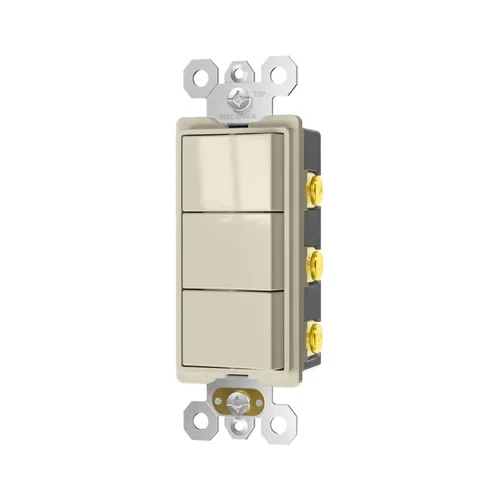
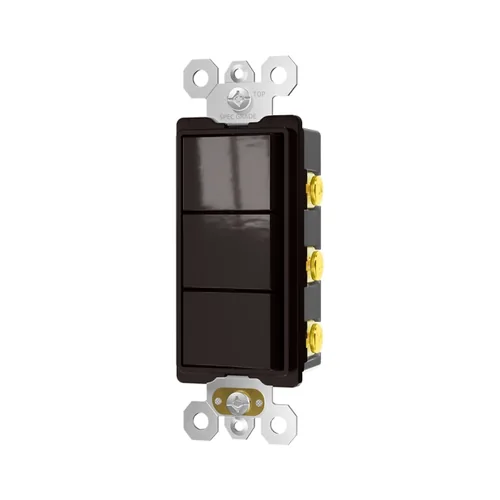 3-in-1
Every model here is a mechanical switch built to UL 20: 15A, thermoplastic body and face, a self-grounding clip, and side-wire, back-wire or push-in terminations. The line is organised by the one thing that cannot be changed on site — how many locations the circuit is controlled from.
Single pole is one location; 3-way is a light controlled from two; 4-way sits between two 3-way switches to add a third or further position. The combination models put two (TM-7) or three (TM-8) independent single pole rocker controls into one single-gang opening, which is how a specification solves a wall that needs three switches but has one box.
Two things to confirm on this line. The devices ship without wall plates, so the plate is a separate line — decorator rocker models need a decorator-style rectangular opening, and the combination models need the correct single-gang plate for two or three controls. And nothing in this line dims, schedules or connects: dimmers, smart switches and timers are a different device.
| Standard | UL 20 |
|---|---|
| Ratings | 15A · 125V AC (toggle models) or 120/277V AC (rocker and combination models) |
| Faces | Toggle and decorator rocker |
| Control layouts | Single pole · 3-way · 4-way · dual and triple rocker combination (single gang) |
| Wiring method | Side wire, back wire, push-in |
| Grounding | Self-grounding clip |
| Body and face material | Thermoplastic |
| Packaging | Individual box |
| Wall plate | Not included with this line — order from the Wall Plates line |
| Finish range | White, black, ivory, almond, grey, brown, graphite |
Most switch returns are a control-layout mistake, not a defect: a 3-way bought where a single pole was needed, or a 4-way bought for a two-location circuit. Work down the control layout first.
| What the plan shows | What to put on the PO | Why buyers get this wrong |
|---|---|---|
| One switch, one door, one light | Single pole — TM-1 (toggle) or TM-4 (rocker) | Single pole is the default assumption and it is right most of the time — but not on stairwells. |
| Two locations, one light | 3-way, ordered in pairs — TM-2 (toggle) or TM-5 (rocker) | A 3-way is one device; the circuit needs two of them. Single-line ordering is the mistake. |
| Three or more locations | 4-way between two 3-way switches — TM-3 (toggle) or TM-6 (rocker) | A 4-way cannot be used on its own. It needs the two 3-way devices at either end of the run. |
| Two or three controls in one opening | Combination rocker — TM-7 (dual) or TM-8 (triple) | Buyers price two or three separate devices plus a multi-gang plate, then find the box is single gang. |
| Replacement and service stock | 15A single pole toggle and rocker as the base SKUs, 3-way as the depth | Service trucks carry single pole because it is the common failure — and then stall on a stairwell call. |
Switches are the highest-count device after receptacles and the least interesting line item — which is exactly why the control layout gets guessed. These are the settings the line is bought for.
Every model in this line is published against UL 20, with the wiring method, grounding method and packaging recorded per model. That data is transcribed from the same source as this page and is what a specification sheet is generated from.
Two ratings in the source data are still marked for confirmation: the total-load versus per-section rating on the triple combination switch, and whether any model is rated for fan, motor or heater loads. We will not state either as fact until it is confirmed — ask before quoting a load-bearing application.
Send the plan with the control locations marked. We will return the switch list by control layout, the plate cross-reference for each face, and the count — including the pairs a 3-way circuit actually needs.
Send a switching schedule →Two, plus a 4-way for every additional location beyond the second. A 3-way switch is a single device, not a pair, which is why a one-line order for a stairwell comes back short.
No. The devices in this line are published without a plate, so the plate is ordered separately — a decorator-style rectangular opening for the rocker faces, and the matching gang configuration for the combination switches.
No. These are mechanical switches. Dimming, smart and timer control are excluded from the published application data for the line and are separate listed devices.
Two figures in the source data are still flagged for confirmation — the load rating on the triple combination switch, and whether a fan, motor or heater rating applies to these models. We will confirm in writing before quoting a load-bearing application rather than assume.
Side wire, back wire and push-in terminations, with a self-grounding clip. The multi-location models additionally publish their terminal layout, which is what a contractor needs to wire a 3-way or 4-way circuit correctly.
Production runs 25–35 days depending on the mix and the colour confirmation, and samples are around five working days. Colour confirmation and packaging artwork approval are the two variables that move the date.
Tick any models in the comparison tool and only the differences get highlighted — control layout, face, rating, wiring method, terminal layout. Then send the shortlist as one RFQ.
Model list, quantities and project type is all we need to start. The quotation comes back in one business day with the specification sheet for each line item, the listing reference it holds and the packing detail for the DC — one document, not four.
WhatsApp / Mobile +86 159 5875 8125Prefer email? sales@syoutlet.com